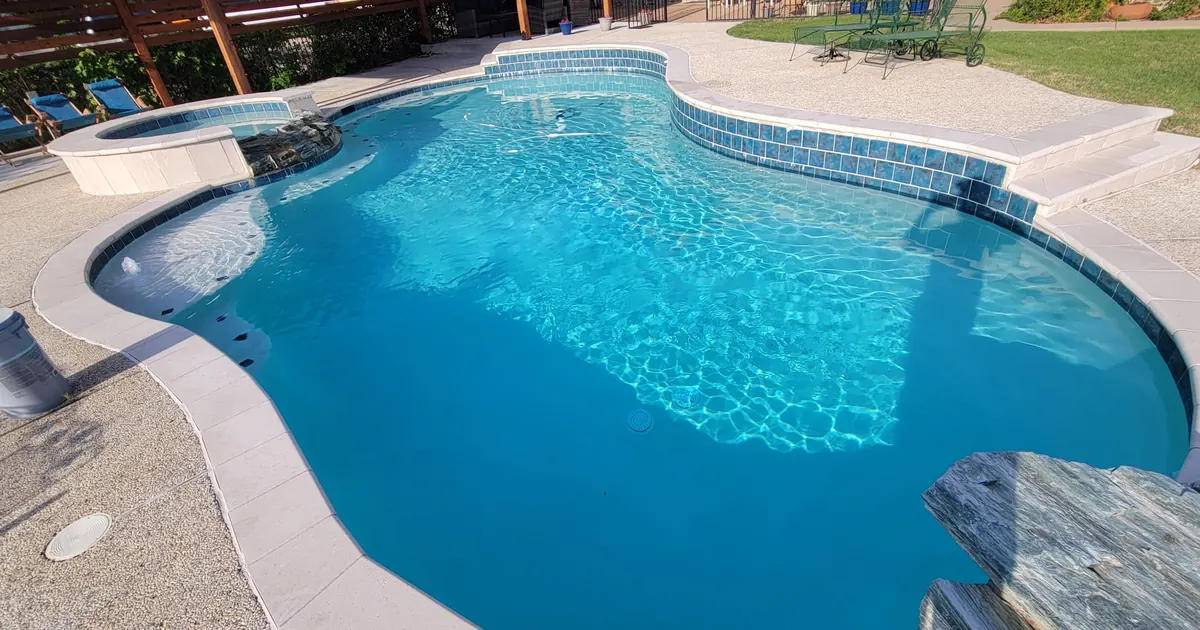
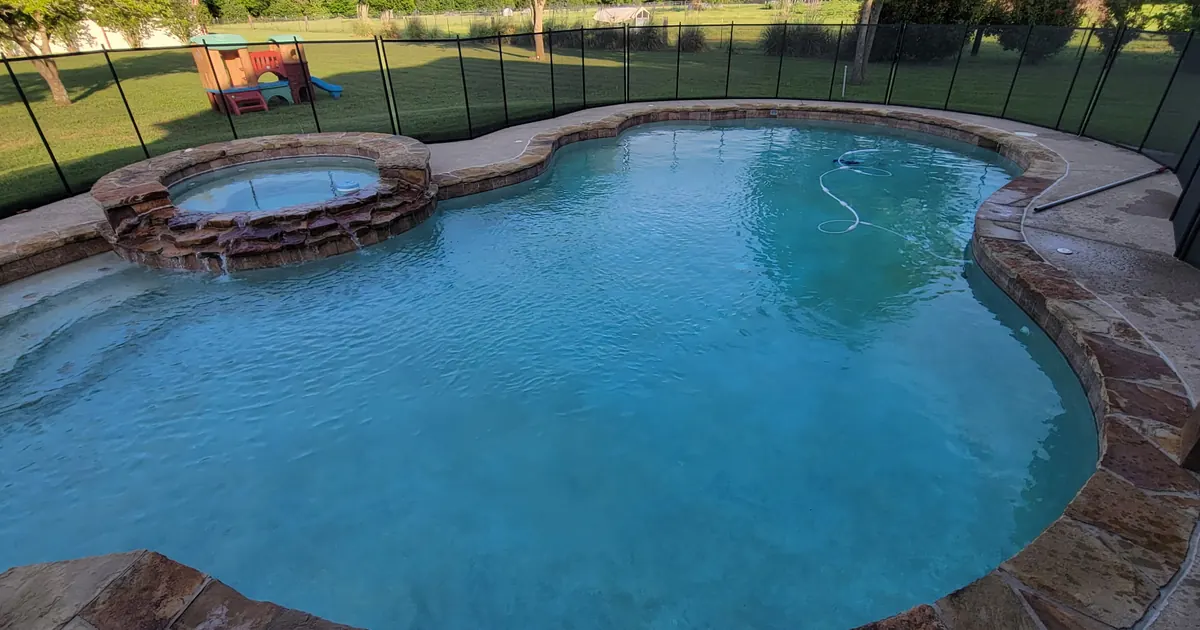
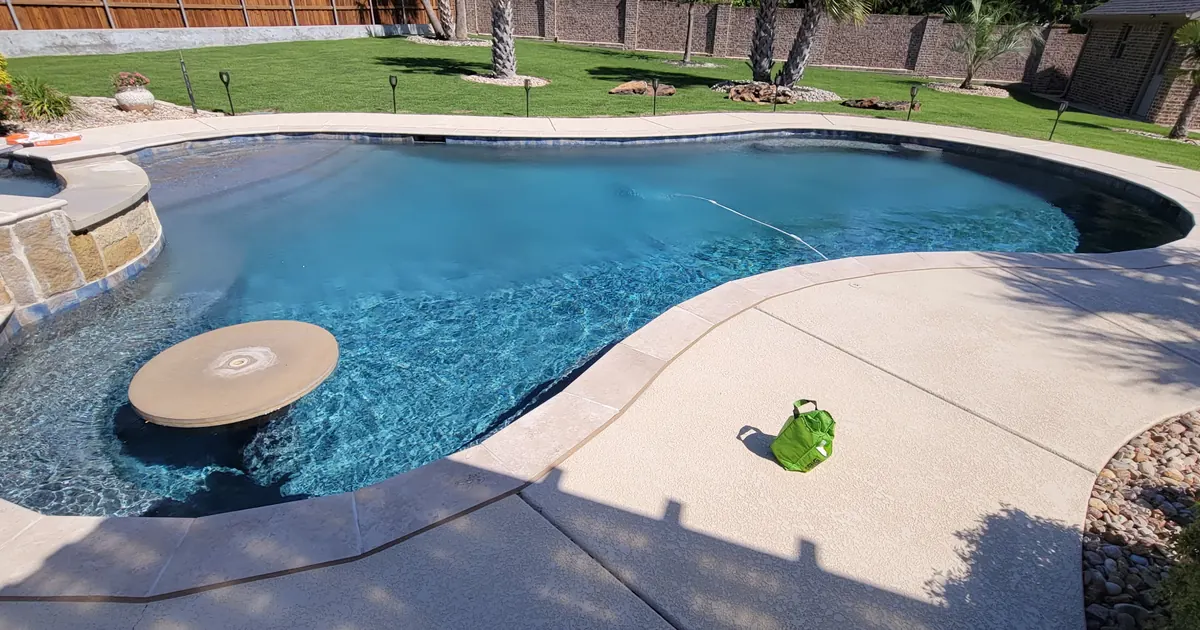
We get called out to "rebalance" pools that have already been "balanced" twice that month. The chemistry was right on paper. The order was wrong. The result is a pool that looks like it should be fine, reads like it should be fine, and somehow still won't behave.
So if you only take one thing from this whole site of calculators and posts, take this: the order matters. Doing it right the first time saves you a week of chasing your own tail.
Why order matters
Every chemistry adjustment changes the baseline the next adjustment is calculated against. Lowering pH also lowers alkalinity. Raising alkalinity nudges pH up. Adding stabilizer affects the effective FC range. If you don't do them in the right order, your last reading was for a pool that no longer exists, and your dose is wrong.
The right order respects which adjustments have side effects on which other readings — and starts with the ones that cause the most ripple, finishing with the ones that don't.
The correct order
1. Test everything first
Before you adjust anything, get a complete reading: free chlorine, total chlorine, pH, total alkalinity, CYA, calcium hardness, and salt (if applicable). This is the only way to know what you're working with.
If you only test FC and pH and start adjusting blind, you'll fight chemistry forever.
2. Total alkalinity
Alkalinity is the foundation. It buffers pH — meaning it controls how much pH will move when you add anything else. If alkalinity is wrong, every other adjustment you make is going to behave unpredictably.
Get TA into the 80–120 ppm range first (60–80 for salt pools).
Too low: dose baking soda. Use the Total Alkalinity Calculator.
Too high: requires a multi-step muriatic acid + aeration process over several days. Not a single-dose fix.
Wait at least 6 hours after dosing baking soda before moving on.
3. pH
Once TA is right, pH becomes much easier to set. With proper alkalinity, pH adjustments stay where you put them.
Target 7.4–7.6.
Too high: muriatic acid. Use the Muriatic Acid Calculator.
Too low: soda ash, or aerate if TA is already high. Use the Soda Ash Calculator.
Wait 30 minutes after dosing before retesting.
4. Calcium hardness
Calcium is slow-moving and rarely needs weekly adjustment. But if it's out of range, fix it now — before you go further. CH affects the LSI calculation that everything else depends on.
Target 200–400 ppm for plaster/pebble, 150–250 for vinyl/fiberglass.
Too low: calcium chloride. Use the Calcium Hardness Calculator.
Too high: partial drain and refill. Don't try to "treat" it.
5. Cyanuric acid (stabilizer)
CYA is even slower. Adjust it once and forget about it for months. But if it's wrong, your chlorine math will be off no matter what.
Target 30–50 ppm for chlorine pools, 60–80 ppm for salt pools.
Too low: granular cyanuric acid in a sock at the return jet. Use the Cyanuric Acid Calculator.
Too high: partial drain and refill.
6. Salt (if applicable)
For salt water pools, top off salt to the SWG's target now. Use the Pool Salt Calculator.
Run the pump for 24 hours after adding salt to fully dissolve before testing.
7. Chlorine — last
This is where most homeowners go wrong. They add chlorine first, while pH is high and TA is wrong, and then wonder why they can't hold a reading.
Add sanitizer last because everything else above changes how chlorine behaves. With pH at 7.4, TA at 100, CYA at 40, and CH in range, the chlorine you add will actually work. With any of those wrong, you'll burn through twice as much for half the result.
Use the Free Chlorine Dose Calculator for routine dosing or the Pool Shock Calculator if you need to break combined chlorine or hit an algae bloom.
A worked example
Suppose your readings are: FC 0.5, pH 8.2, TA 60, CYA 20, CH 180.
Wrong order: add chlorine, see FC won't hold, add more, watch pH climb, panic-add muriatic acid, watch TA crash to 30, get a green pool by Wednesday.
Right order: raise TA to 90 (Tuesday). Wait 6 hours. Lower pH to 7.5. Wait an hour. Raise CYA to 40 in a sock at the return — let it dissolve over 24–48 hours. Raise CH to 240 the next day. Retest everything Thursday. Then dose chlorine to 3 ppm.
Same chemicals. Same end state on paper. The right order takes 2–3 days but actually works. The wrong order takes 2 weeks of fighting and usually ends in a green pool anyway.
When to call us
If your pool needs more than two of these adjustments at once, that's a "we should come out" call. We can do all of it in a single visit, in the right order, with the right products, for usually less than what you'd spend on the chemicals alone if you tried it on your own. And we'd rather do the whole reset right once than fix the same problem three times.
Sources used for research:
A&M Pool Service & Repair website
A&M Pool Service & Repair on Birdeye
All chemistry guidance in these posts is general and conservative. Specific dose recommendations should always be confirmed by the relevant calculator before adding anything to a real pool. Pricing and service-area details should be verified by Thomas before publication.
Run the Balance My Pool Calculator or call Thomas directly at (214) 399-7347.